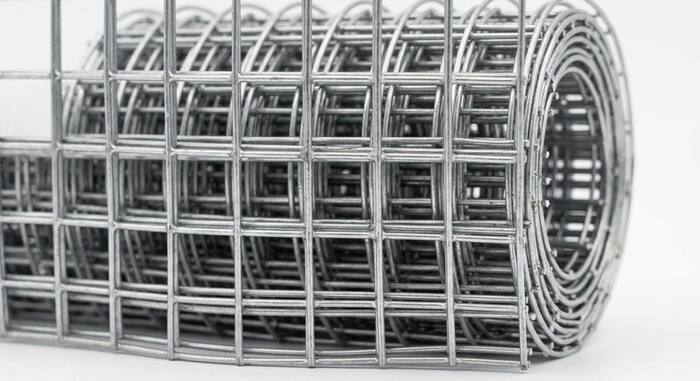
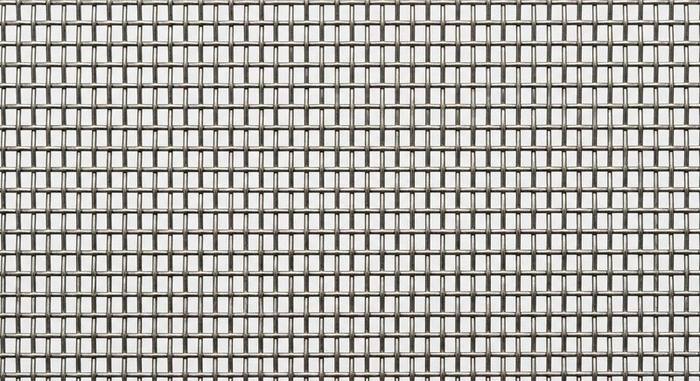
Short answer: Welded mesh is joined at every crossing and stays rigid, for construction and fencing. Woven mesh is interlaced like fabric and comes in much finer counts, for filtration and screening.
Welded wire mesh (weld mesh, weldmesh, iron jali) is made by welding individual wires at each intersection point - the joints are fixed and rigid. It is stronger, holds its shape, and is used for construction reinforcement, security fencing, caging, and structural applications. Woven wire mesh (wire cloth, wire screen) is made by interlacing wires over and under each other like weaving fabric - the joints are not welded. It is more flexible, available in much finer mesh counts (up to 400 mesh per inch), and used for filtration, screening, and sieving applications. For structural and fencing use, choose welded mesh. For filtration, screening, and fine aperture applications, choose woven mesh. When buyers say "jali" in Bengal they usually mean welded mesh for construction and woven mesh for filtration - context determines which they need.